Disclaimer: Best Travel Magazine. This site provides travel content for informational purposes only.
- You don’t need expensive tickets or travel to create meaningful outdoor family experiences.
- Local parks, backyards, and community spaces can become fun adventure zones with simple planning.
- Free community resources like public gardens and outdoor events offer great low-cost weekend options.
- Outdoor games can boost children’s physical, social, and learning skills at the same time.
- Activities can be easily adapted for toddlers, school-aged kids, and teens, so everyone feels included.
- Creating simple weekly outdoor traditions helps strengthen family bonds and build lasting memories.
Spending quality time outdoors as a family doesn’t have to mean expensive tickets, long travel, or complicated planning. In fact, some of the most memorable moments happen during simple, low-cost adventures that allow everyone to relax, laugh, and reconnect. Whether you’re trying to keep energetic kids busy, encourage teens to step away from screens, or simply enjoy fresh air together, affordable outdoor activities can turn an ordinary weekend into something special.
This guide explores practical, budget-friendly outdoor activities designed specifically for parents and families. Each idea is easy to organize, flexible for different age groups, and focused on creating meaningful experiences rather than draining your wallet. With thoughtful planning and a creative mindset, you can transform your local surroundings into a weekend playground filled with fun, learning, and connection.
Why Outdoor Family Time Matters More Than Ever
Spending time outside as a family has become increasingly important as daily routines grow more screen-centered and fast-paced. Parents often find themselves balancing work, school, and household responsibilities, leaving little time for shared experiences. Outdoor activities provide a refreshing break from this cycle by creating space for movement, conversation, and genuine connection. Being outdoors naturally reduces stress levels and encourages children to explore, ask questions, and build confidence through hands-on experiences.
Family time outside also supports physical and emotional development in ways that indoor activities cannot fully replicate. Children benefit from natural sunlight, open spaces, and opportunities to move freely, while parents gain moments to unwind and observe their children in a relaxed environment. These shared moments strengthen bonds and help families create traditions that feel meaningful rather than rushed. Making outdoor time a regular part of weekends encourages a healthier lifestyle and establishes routines that children are more likely to carry into adulthood.
Fun Outdoor Family Activities This Weekend: Budget-Friendly Ideas for Every Family
Finding affordable outdoor activities that appeal to all ages can feel challenging, especially when entertainment options often come with a price tag. However, your local area likely offers numerous low-cost opportunities for exploration and play that are often overlooked. With a little creativity, parents can plan engaging experiences that don’t require special equipment or expensive reservations. These ideas focus on using public spaces, everyday household items, and simple planning to keep costs minimal.
By prioritizing flexibility and accessibility, families can enjoy activities that adapt to their children’s interests and energy levels. These experiences not only provide fun but also teach children the value of resourcefulness and appreciation for simple pleasures. Below are several budget-friendly activities that can easily become part of your weekend routine without adding financial stress.
Nature Walks and Scavenger Hunts
Nature walks are a simple way to enjoy the outdoors while encouraging children to observe their surroundings more closely. You can turn a basic walk into an exciting adventure by creating a scavenger hunt with items such as leaves, rocks, flowers, or birds to spot along the way.
Ideas to include:
- Make a printable checklist for younger children
- Challenge older kids to take photos of items they find
- Discuss what you discover to encourage curiosity
Picnic in the Park
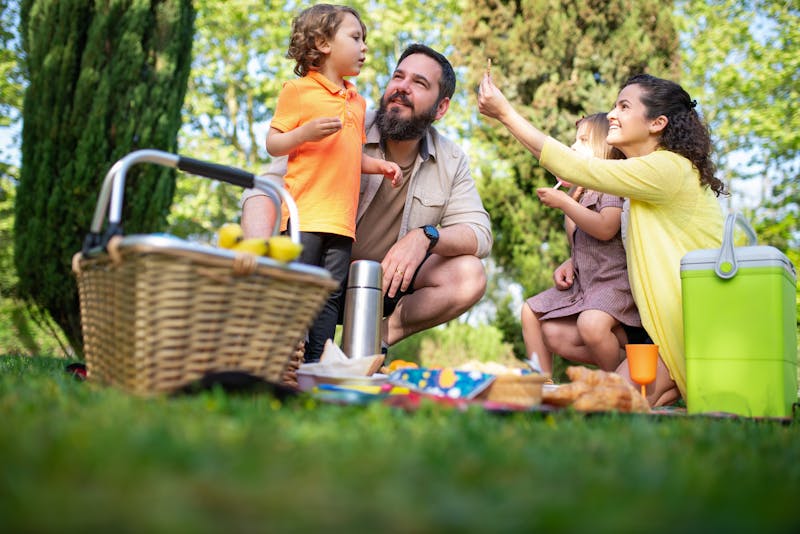
A picnic offers a relaxed way to enjoy meals together while soaking in fresh air. Packing homemade food saves money and allows families to tailor meals to everyone’s preferences. Choose a nearby park with open spaces for play before or after eating.
Make it more fun by:
- Bringing a ball, frisbee, or kite
- Allowing kids to help prepare the food
- Turning cleanup into a teamwork activity
Backyard Camping
You don’t need a campground reservation to enjoy a camping experience. Setting up a tent in your backyard allows children to experience the excitement of sleeping outdoors while staying close to home comforts. Be sure to pack all the family camping essentials, including sleeping bags, flashlights, and snacks, to make it feel like a true adventure.
Enhance the experience with:
- Storytelling around a flashlight “campfire”
- Simple snacks like popcorn or sandwiches
- Stargazing and discussing constellations
How Can You Turn Everyday Spaces into Adventure Zones?
Many families underestimate the potential of familiar spaces such as sidewalks, empty lots, and community fields. These everyday areas can become exciting activity zones when viewed with imagination and intention. Transforming ordinary locations into adventure spaces helps children see their environment in new ways while keeping planning simple. Parents can encourage creativity by allowing children to suggest games and challenges that use what’s already available.
This approach also teaches problem-solving and adaptability, as kids learn to create fun without relying on structured entertainment. By making the most of nearby spaces, families can enjoy spontaneous activities that feel fresh and engaging every weekend. Here are some ways to turn common areas into exciting play environments.
Neighborhood Sports Challenges
Create simple competitions using cones, chalk, or household items. Activities like relay races, hopscotch, and obstacle courses can be adjusted for different age groups.
Try these ideas:
- Chalk-drawn race tracks on sidewalks
- Timed bike or scooter laps
- Friendly family tournaments
Community Playground Exploration
Instead of visiting the same playground every time, explore different parks in your area. Each playground offers unique equipment and layouts that feel new to children.
Benefits include:
- Reduced boredom
- Opportunities to meet other families
- Increased physical activity
What Free Local Resources Can Families Take Advantage Of?
Many communities provide free or low-cost outdoor resources that families can enjoy year-round. These options are often funded by local governments or community organizations and are designed to encourage healthy, active lifestyles. Unfortunately, they can be easily overlooked because families are unaware of what’s available nearby. Taking time to research these resources can reveal a variety of opportunities that fit different interests and age groups.
Using local resources not only saves money but also helps families feel more connected to their community. Children benefit from seeing familiar faces, learning about local history, and developing a sense of belonging. These experiences can become meaningful traditions that strengthen family routines while keeping weekends affordable.
Public Gardens and Nature Reserves
Many towns offer free access to botanical gardens, nature trails, and small wildlife areas. These locations provide a calm environment for walking, observing plants, and learning about local ecosystems.
Activities to try:
- Leaf and flower identification
- Sketching scenery
- Quiet reflection walks
Community Events and Outdoor Programs
Local councils often host free outdoor events such as movie nights, cultural festivals, and fitness classes. These events offer entertainment without ticket costs.
Look for:
- Family yoga in the park
- Free outdoor concerts
- Seasonal festivals
How Can Simple Games Encourage Learning Outdoors?
Outdoor games do more than entertain; they also provide opportunities for children to develop important skills. Through play, children improve coordination, communication, and problem-solving abilities in a natural, low-pressure environment. Parents can use simple games to introduce learning concepts without making them feel like formal lessons.
Incorporating educational elements into outdoor play encourages curiosity and keeps children engaged longer. These games can be adjusted to suit different ages, making them perfect for families with multiple children. By combining learning and fun, parents can create meaningful activities that contribute to both physical and mental development.
Educational Treasure Hunts
Design a treasure hunt that includes math problems, riddles, or trivia questions related to nature. This turns exploration into a learning experience.
Include tasks such as:
- Counting objects
- Solving clues
- Identifying plant types
Story-Based Role-Playing Games
Encourage kids to create stories and characters while playing outside. This boosts creativity and communication skills.
Examples:
- Pretend explorers searching for hidden lands
- Nature detectives solving mysteries
- Time-travel adventures in the backyard
What Are the Best Low-Cost Outdoor Activities for Different Age Groups?
Families often include children of various ages, which can make activity planning challenging. Choosing flexible outdoor activities ensures everyone feels included and engaged. Low-cost options can easily be adapted to different developmental levels, allowing toddlers, school-aged children, and teens to participate together.
By selecting activities that offer multiple ways to engage, parents can avoid having to plan separate experiences for each child. These shared activities encourage cooperation and create a sense of unity within the family. Below are ideas that work well across age ranges.
For Toddlers and Preschoolers
Young children enjoy simple sensory experiences and gentle movement.
Great options include:
- Bubble play
- Water splashing games
- Soft ball rolling
For School-Aged Children
Kids in this age group enjoy challenges and structured play.
Consider:
- Scavenger hunts
- Mini sports tournaments
- Simple craft projects outdoors
For Teens
Teens prefer independence and social interaction.
Try:
- Nature photography challenges
- Hiking local trails
- Outdoor fitness routines
How Can Families Build Weekend Traditions Without Spending Much?
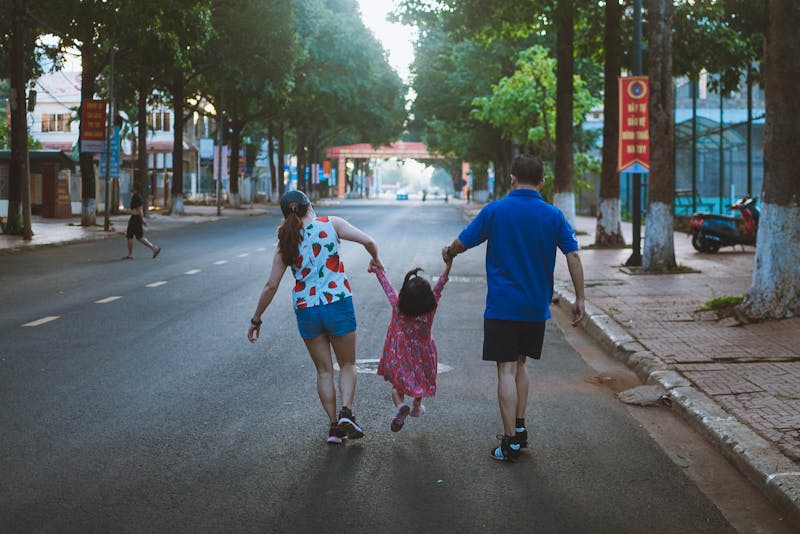
Creating traditions helps families establish routines that children look forward to each week. These traditions do not need to be expensive; they simply need to be consistent and enjoyable. Regular outdoor activities can become special rituals that strengthen family bonds over time.
Low-cost traditions also teach children that meaningful experiences are not defined by money. Instead, they learn to value time, effort, and shared laughter. By repeating simple activities, families create memories that feel familiar yet always enjoyable.
Weekly “Adventure Walk”
Choose a different walking route each week and treat it as a mini adventure. Let children help choose the destination.
Family Game Day Outdoors
Designate one day a week for outdoor games, rotating activities to keep things exciting.
Family Camping Days
Use a family camping checklist to ensure that all family camping essentials are packed for backyard or nearby campsite adventures.
Conclusion: Make Every Weekend Count Without Overspending
Affordable outdoor family activities offer more than entertainment; they provide opportunities for connection, learning, and relaxation. By focusing on simple experiences, families can enjoy meaningful time together without financial pressure. Whether exploring local parks, creating backyard adventures, or joining free community events, parents have countless options to choose from.
With thoughtful planning and creativity, every weekend can become a chance to reconnect, recharge, and build traditions that last. These small, budget-friendly moments often leave the biggest impact, reminding families that the best memories are created through shared time, laughter, and discovery.